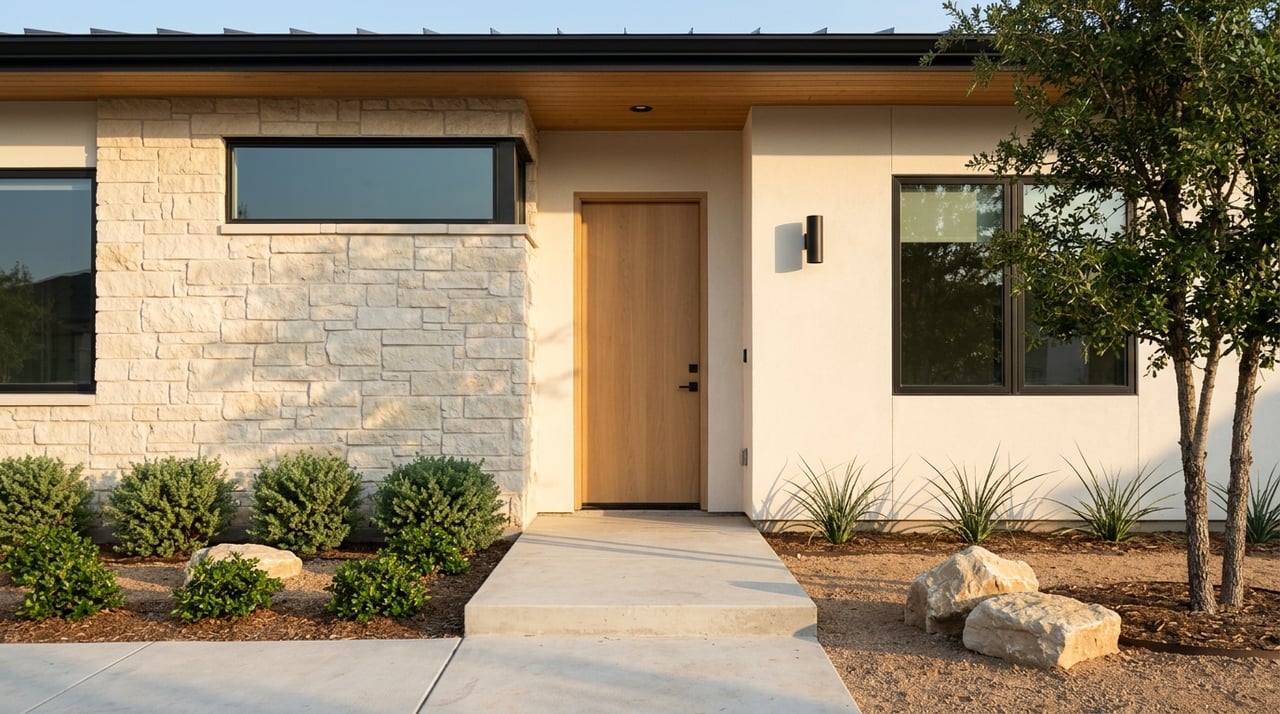
New Construction And Custom Homes In Timberwood Park: What To Know
April 23, 2026
April 23, 2026
If you are thinking about building in Timberwood Park, you are probably drawn to the space, the custom-home feel, and the chance to create something that fits your life long term. At the same time, new construction here is not always as simple as picking a floor plan and waiting for closing day. In Timberwood Park, lot details, unit-specific rules, permits, utilities, and financing can all shape your timeline and budget. This guide will help you understand what to look for, what questions to ask, and how to compare building with buying resale. Let’s dive in.
Timberwood Park is a 2,200-acre custom-home community in Bexar County just north of San Antonio. According to the official neighborhood information page, the community is known for half-acre or larger lots, mature oak trees, county-managed roads, and a 30-acre private park with a lake and recreation amenities.
That setting is part of the appeal if you want more land and a more custom feel than you may find in a typical production-home subdivision. It also helps explain why many buyers here think beyond just the next few years and focus on long-term fit, resale value, and upgrade potential.
The market also appears to be firmly owner-occupied. Census QuickFacts for Timberwood Park reports 35,217 residents in 2020, an 85.9% owner-occupied housing rate, a median owner-occupied home value of $510,600, and median monthly owner costs with a mortgage of $2,871.
In Timberwood Park, new construction often leans more toward custom homes and build-on-your-lot projects than a large tract-builder experience. Public builder pages referenced in the research describe the community as a custom-home setting where buyers may bring plans, build on an existing lot, or work through a more personalized design process.
That matters because the buying process is usually more hands-on. Instead of choosing from a short menu of options in a master-planned production neighborhood, you may be evaluating lot characteristics, site work, restrictions, approvals, and construction details before you ever reach the design phase.
One of the biggest things to know about Timberwood Park is that not every property marketed in the broader area follows the same rules. The community documents page explains that the neighborhood uses unit-by-unit covenants and that not all areas described as part of the “Timberwood Park Area” were included in the original non-annexation agreement.
That means you should not assume every lot comes with the same restrictions, tax treatment, park access, or review process. Before you move forward, confirm the exact unit, lot, and block, and review the property-specific documents tied to that parcel.
Lot size can vary too. The official neighborhood information confirms the community is known for half-acre or larger lots, while the broader market may include larger tracts in some sections. In practice, that means each homesite should be evaluated on its own merits rather than by neighborhood name alone.
Before you commit to a lot or a to-be-built home, make sure you confirm:
In many cases, building in Timberwood Park requires more due diligence than buying in a standard subdivision. The official documents page notes that most improvements require Architectural Control Committee approval and City of San Antonio permits because of the non-annexation agreement structure.
This is an important step in your timeline. Even if you already have financing lined up and a builder selected, design approval and permitting can affect when construction actually starts.
A City of San Antonio planning study described the Timberwood Park non-annexation area as covering 4,345 acres and expiring in 2033, while the neighborhood site says the agreement means no city property taxes into 2032. Because those dates do not match perfectly, it is smart to verify the exact status of your lot instead of assuming the same tax treatment applies to every property.
In large-lot communities, the base home price is only part of the story. The same City of San Antonio planning study notes that many large-lot developments in the broader US 281 corridor rely on wells and septic systems, and that the corridor includes both Comal ISD and NEISD service areas.
For you as a buyer, the key takeaway is simple: confirm utility type, septic feasibility, and school zoning on the exact address or lot, not from a general neighborhood description. Those details can affect both upfront cost and day-to-day ownership.
Site work is another major budget driver. Depending on the lot and the builder contract, you may need to budget separately for items such as:
This is why comparing homes by base price alone can be misleading.
Custom home timelines are usually longer and less predictable than resale transactions. One public builder source in the research, Weston Dean’s service page, says it aims to build custom homes in 7 to 9 months from foundation pour, with foundation typically starting 2 to 3 months after contract and plans are signed, assuming weather, financing, HOA approval, design selections, and change orders do not cause delays.
That gives you a useful framework, but every project can vary. In a community like Timberwood Park, the sequence often includes lot review, design, approvals, permits, financing, site preparation, foundation, construction, and final completion.
If you are relocating, timing a lease ending, or selling another home first, that timeline planning matters. It is one reason many buyers benefit from a step-by-step game plan before they commit to the build path.
Many buyers use construction-to-permanent financing for a custom home. The Consumer Financial Protection Bureau describes this as a loan structure that may use multiple advances to finance construction, rehabilitation, or improvement of a dwelling and may later convert to permanent financing with the same creditor.
In plain terms, your lender may release funds in stages as construction moves forward. Because of that, you will want to ask detailed questions early about the draw schedule, conversion terms, down payment requirements, reserves, and which costs must be paid out of pocket.
Monthly cost modeling is also important in Timberwood Park. With Census QuickFacts showing a median owner-occupied home value of $510,600 and median monthly owner costs with a mortgage of $2,871, it is important to estimate your finished payment, not just your build price.
Your true monthly number may be affected by:
Building in Timberwood Park can be a great fit if you want more control over layout, finishes, and long-term functionality. The builder materials referenced in the research emphasize design phases, selections, milestone tracking, and warranty coverage, which can be appealing if personalization matters most.
Resale may be the better option if your top priorities are speed, certainty, and immediate move-in. When you buy an existing home, you skip much of the design, approval, permit, and construction process.
Neither path is automatically better. It depends on how you weigh customization against time, budget certainty, and the number of moving parts you are willing to manage.
| Option | Best for | Main tradeoff |
|---|---|---|
| New construction | Buyers who want lot choice, design input, and custom features | More due diligence, longer timeline, and more variables |
| Resale | Buyers who want faster move-in and clearer short-term costs | Less customization and fewer chances to tailor the home |
If you are considering a custom build in Timberwood Park, these questions can help you avoid surprises:
Your financing questions are just as important as your builder questions. Start with these:
The best approach is to treat Timberwood Park new construction as both a home search and a due diligence project. The lot, restrictions, permit path, utility setup, and financing structure all matter just as much as the floor plan.
That is where having a clear process can make a big difference. You want to compare lots carefully, review the documents before you are under pressure, and build your budget around realistic total costs instead of marketing numbers.
If you are weighing a custom build versus a resale home in Timberwood Park, Alan Greulich can help you evaluate the options, ask sharper questions, and move forward with a plan that fits your timeline and goals.
Stay up to date on the latest real estate trends.
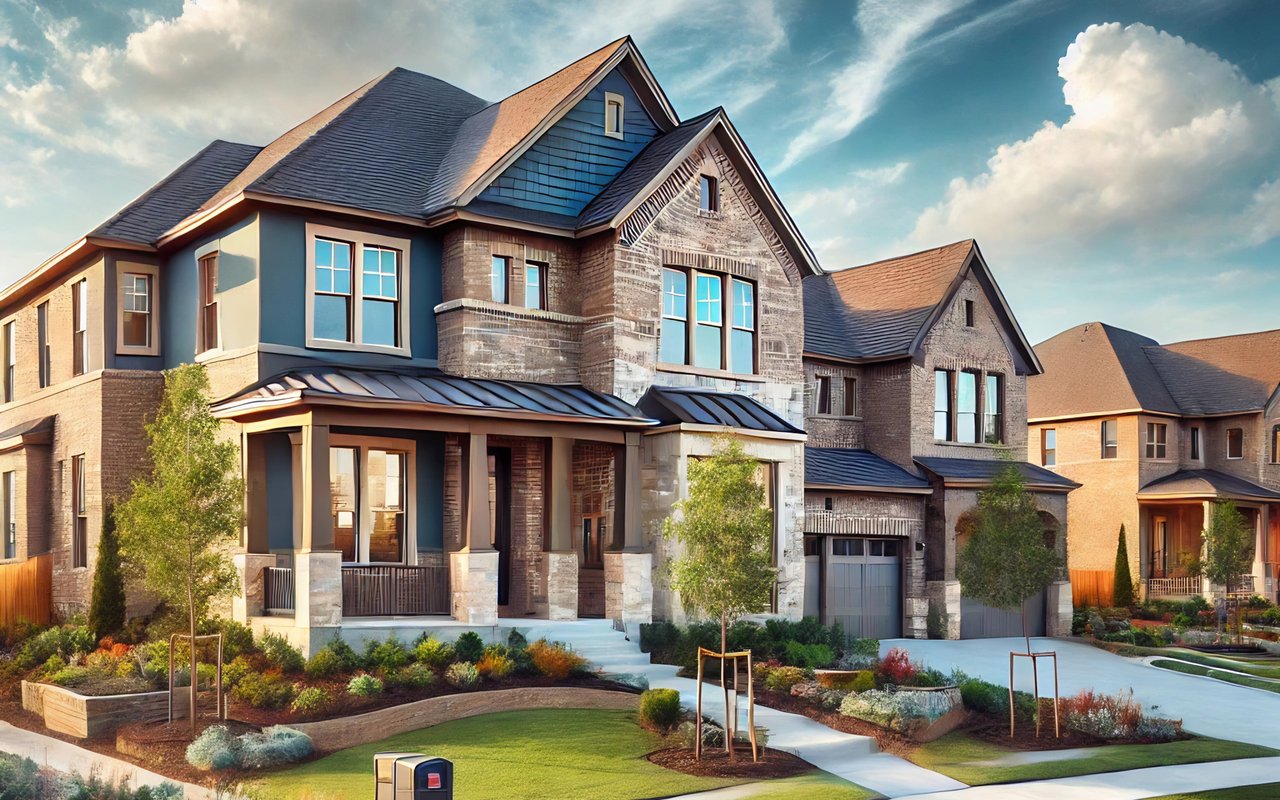
Your guide to San Antonio's top new home builders and communities for out-of-state buyers in 2025.

Discover why San Antonio is a top relocation destination.
Experts predict mortgage rate trends for 2025 in San Antonio.

Discover a charming retreat in San Antonio's sought-after Pinon Creek.
eXp Realty's marketing tools can revolutionize your real estate business, saving time and money.
Get assistance in determining current property value, crafting a competitive offer, writing and negotiating a contract, and much more. Let me guide you through your home-buying journey.
ALAN GREULICH
17806 IH 10 W STE 300 SAN ANTONIO, TX 78257